Alhilal Healthcare
Alhilal Healthcare
Alhilal Healthcare
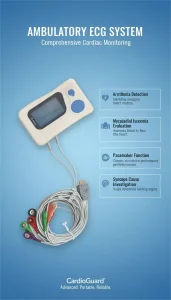
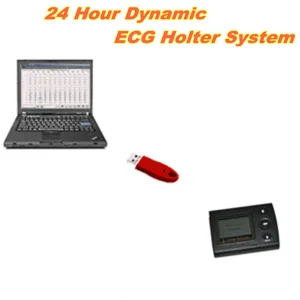
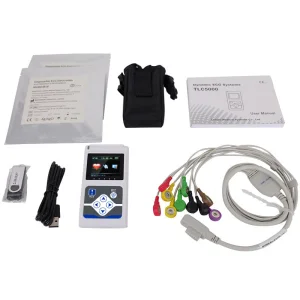
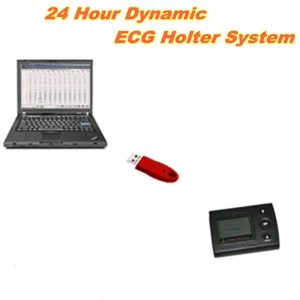
The global ECG monitoring systems market is currently experiencing a transformative phase, driven by an aging global population and the rising prevalence of cardiovascular diseases (CVDs). As a primary diagnostic tool, ECG systems have evolved from bulky bedside units to sophisticated, wireless, and AI-enabled devices. In 2024, the demand for continuous monitoring is no longer restricted to hospital walls. The industry is seeing a massive shift toward ambulatory and home-based care, where Holter monitors and long-term patch recorders are becoming the standard for detecting transient arrhythmias.
Leading suppliers and exporters are now focusing on data interoperability. Modern ECG systems are expected to integrate seamlessly with Hospital Information Systems (HIS) and Electronic Medical Records (EMR). This industrial evolution is supported by the rapid expansion of healthcare infrastructure in emerging markets, alongside a stringent regulatory environment in developed nations requiring CE and ISO certifications.
North America and Europe remain the largest markets due to advanced healthcare facilities, while the Asia-Pacific region is the fastest-growing hub for ECG system exports.
Transitioning from traditional 12-lead analog systems to digital wireless platforms that allow real-time analysis and cloud-based reporting.
Global procurement now prioritizes manufacturers who offer long-term technical support, modular software updates, and reliable sensor accuracy.
The future of ECG monitoring is defined by three pillars: Miniaturization, AI Integration, and Telemedicine. The trend of "Wear and Forget" technology is gaining momentum, where patients use lightweight, wireless patches for up to 14 days of continuous recording. These devices are replacing traditional Holter monitors in many clinical scenarios due to higher patient compliance.
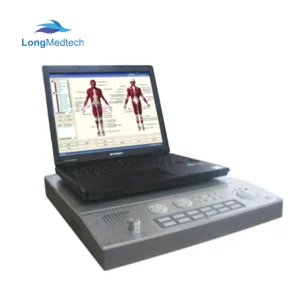
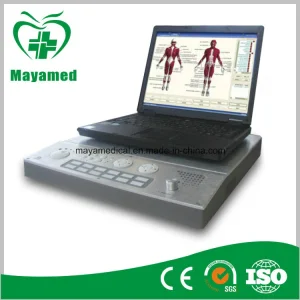
Artificial Intelligence (AI) is the most significant disruptor. AI algorithms can now pre-scan thousands of heartbeats, flagging anomalies like Atrial Fibrillation (AFib) or PVCs with over 99% accuracy before a cardiologist even sees the report. This reduces the workload on medical professionals and speeds up life-saving interventions. Furthermore, the integration of ECG with other modalities like EMG (Electromyography) and EEG (Electroencephalogram) is creating a holistic "Neuro-Cardiac" diagnostic approach.
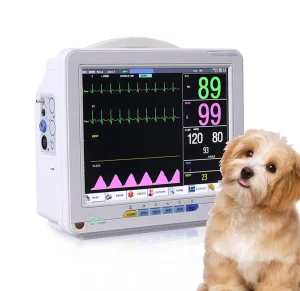
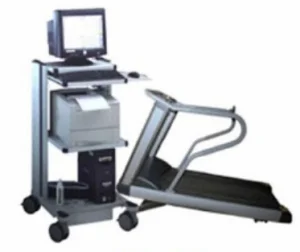
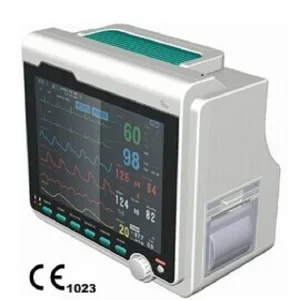
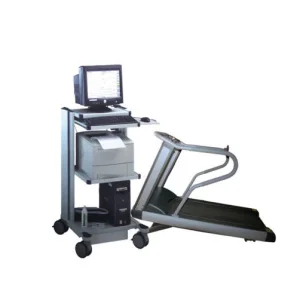
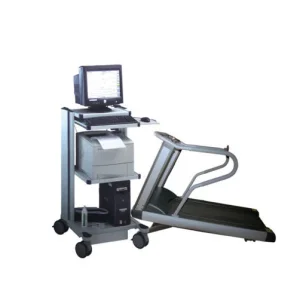
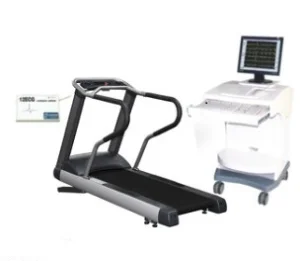
Global enterprises, from large-scale government hospitals to private diagnostic chains, have diverse procurement needs. Hospitals require heavy-duty, multi-channel ICU monitoring systems capable of maternal and fetal tracking. Conversely, sports medicine clinics and rehabilitation centers are looking for Wireless Stress ECG systems that can monitor heart states during intense physical activity or treadmill tests.
Localized Application Scenarios:
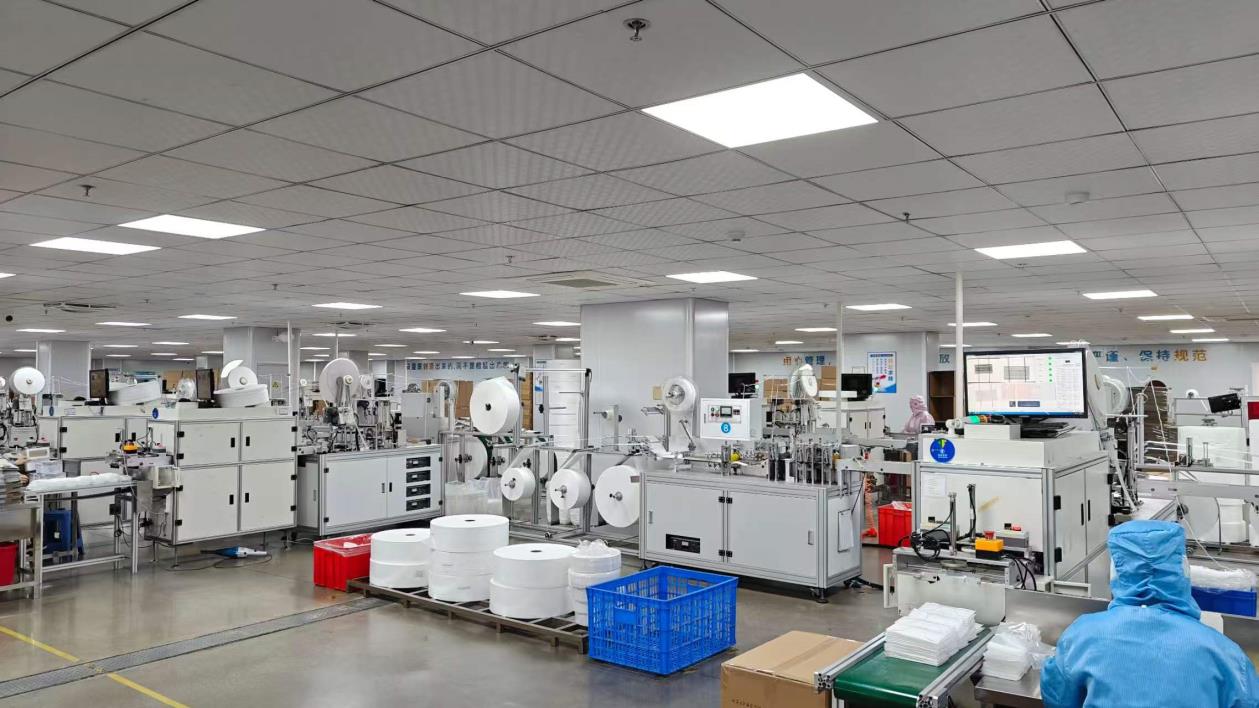
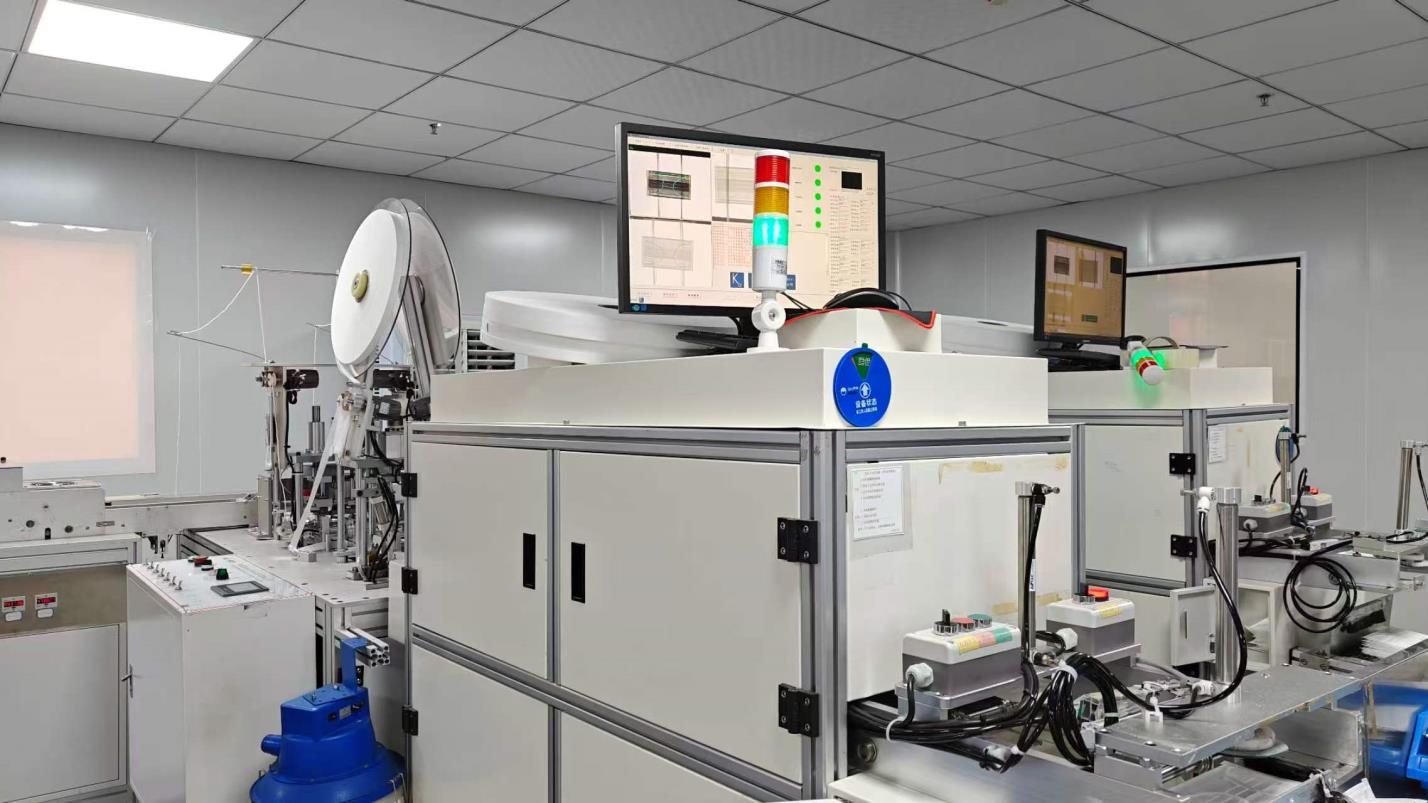
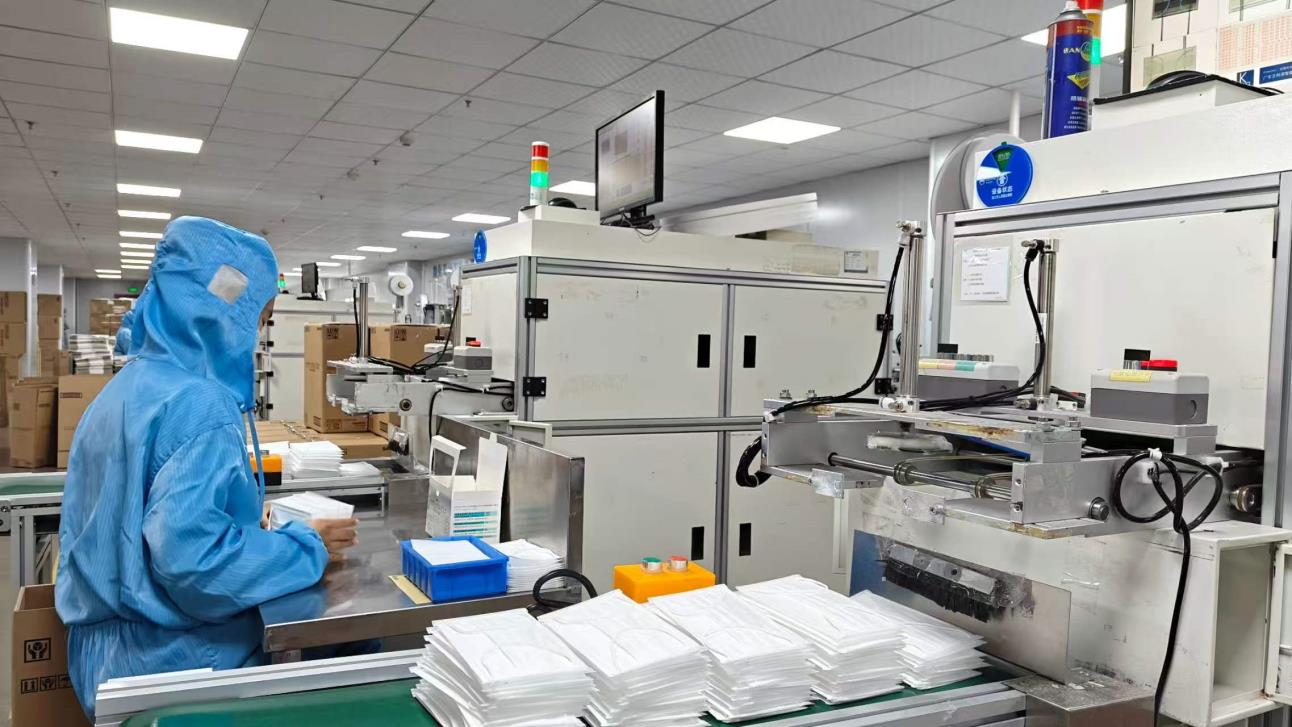
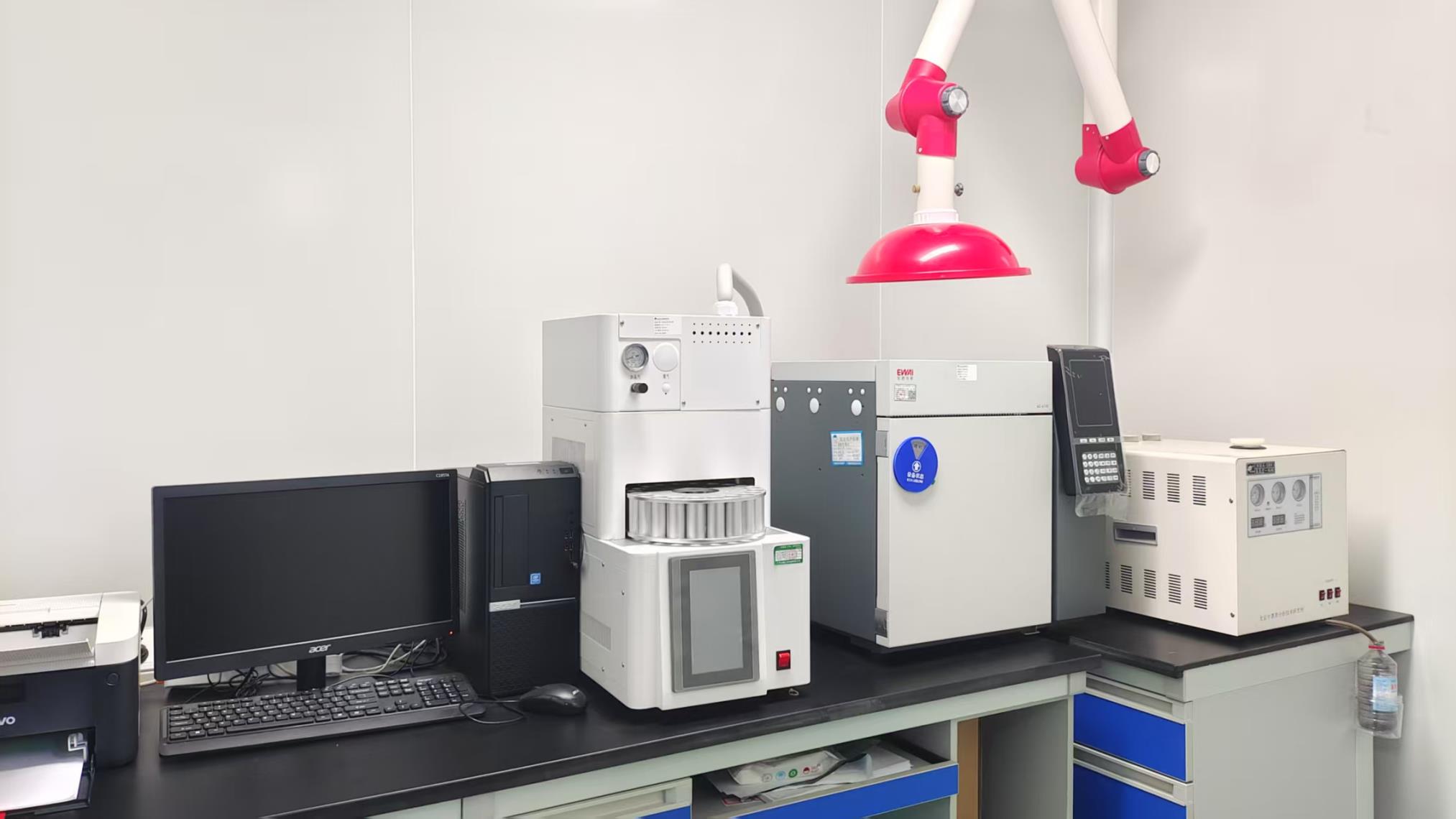
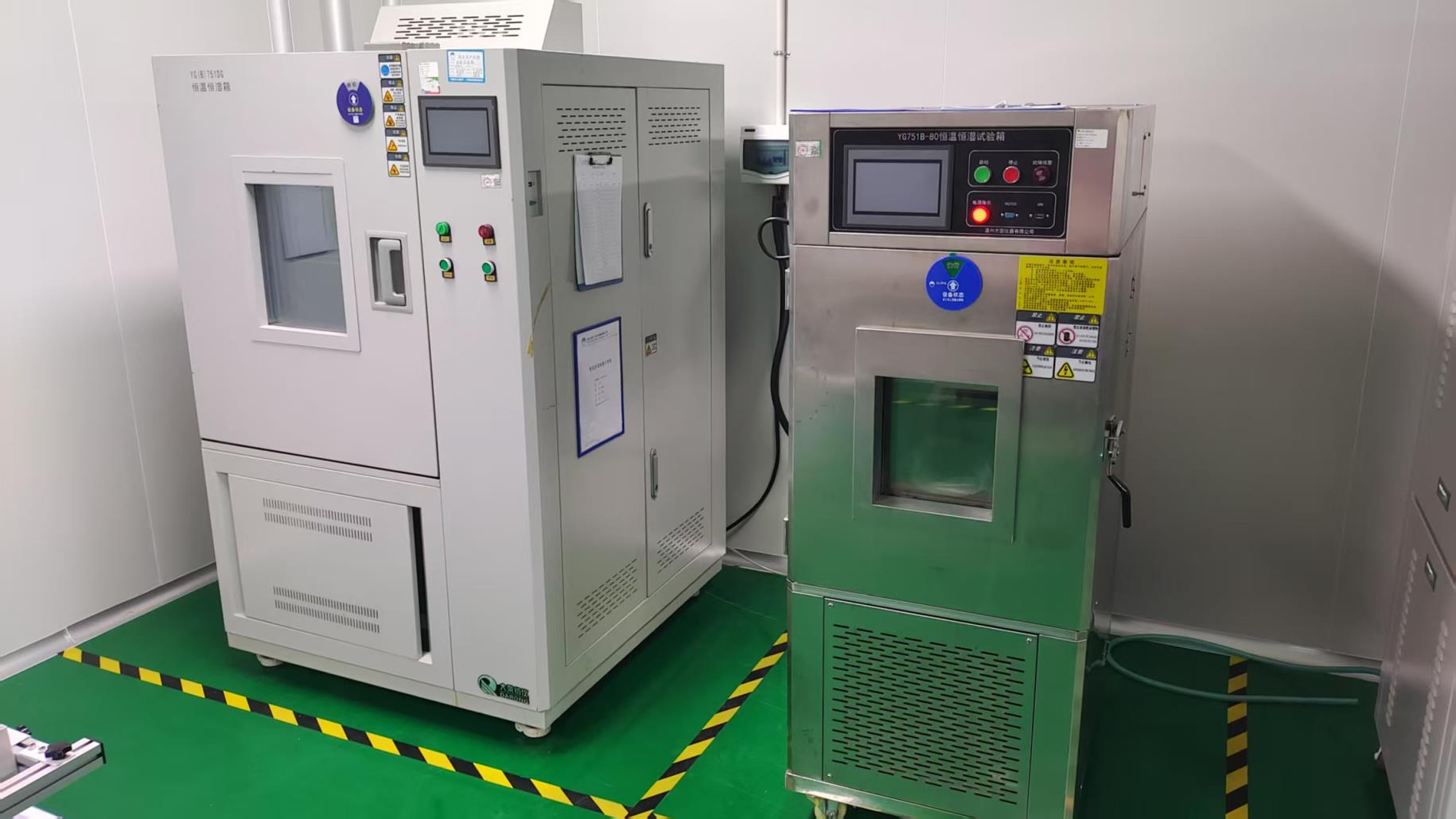
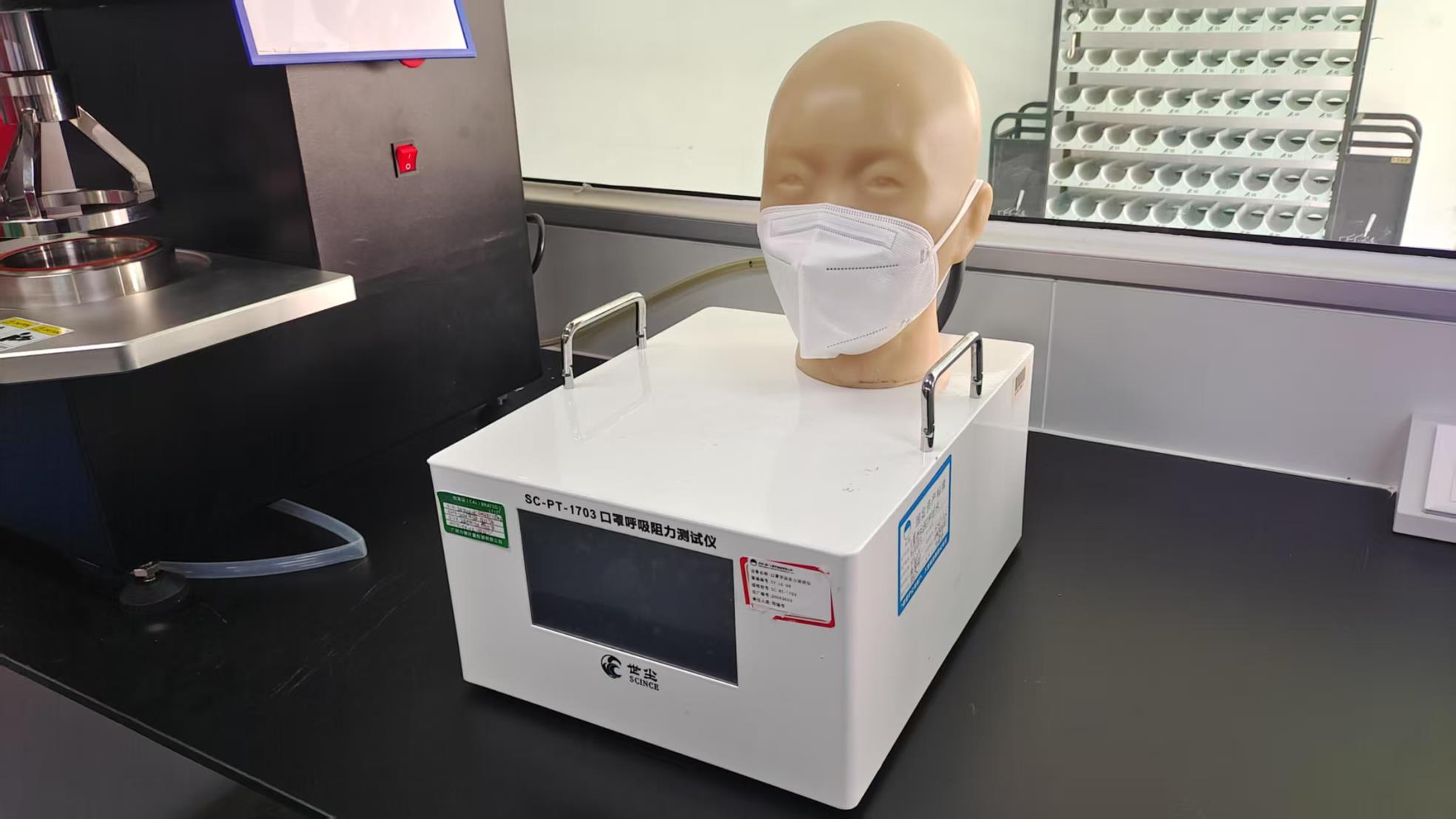
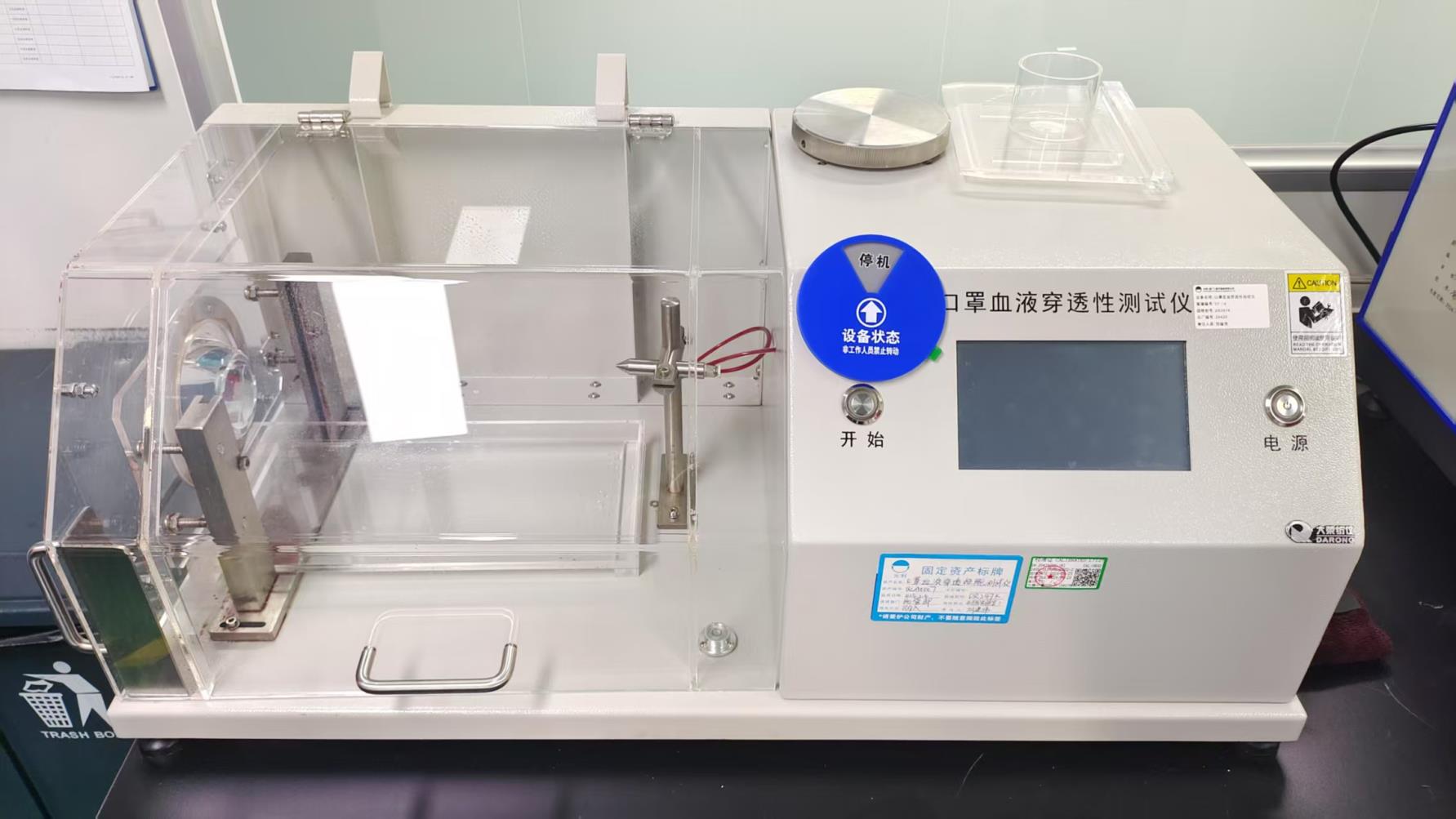
Established in 2009, our factory has specialized in medical-grade equipment for over 15 years. While our foundation includes high-standard personal protective equipment, our growth into advanced medical electronics like ECG monitoring systems is backed by a massive infrastructure. Today, we employ over 500 professionals across a 100,000 square meter facility.
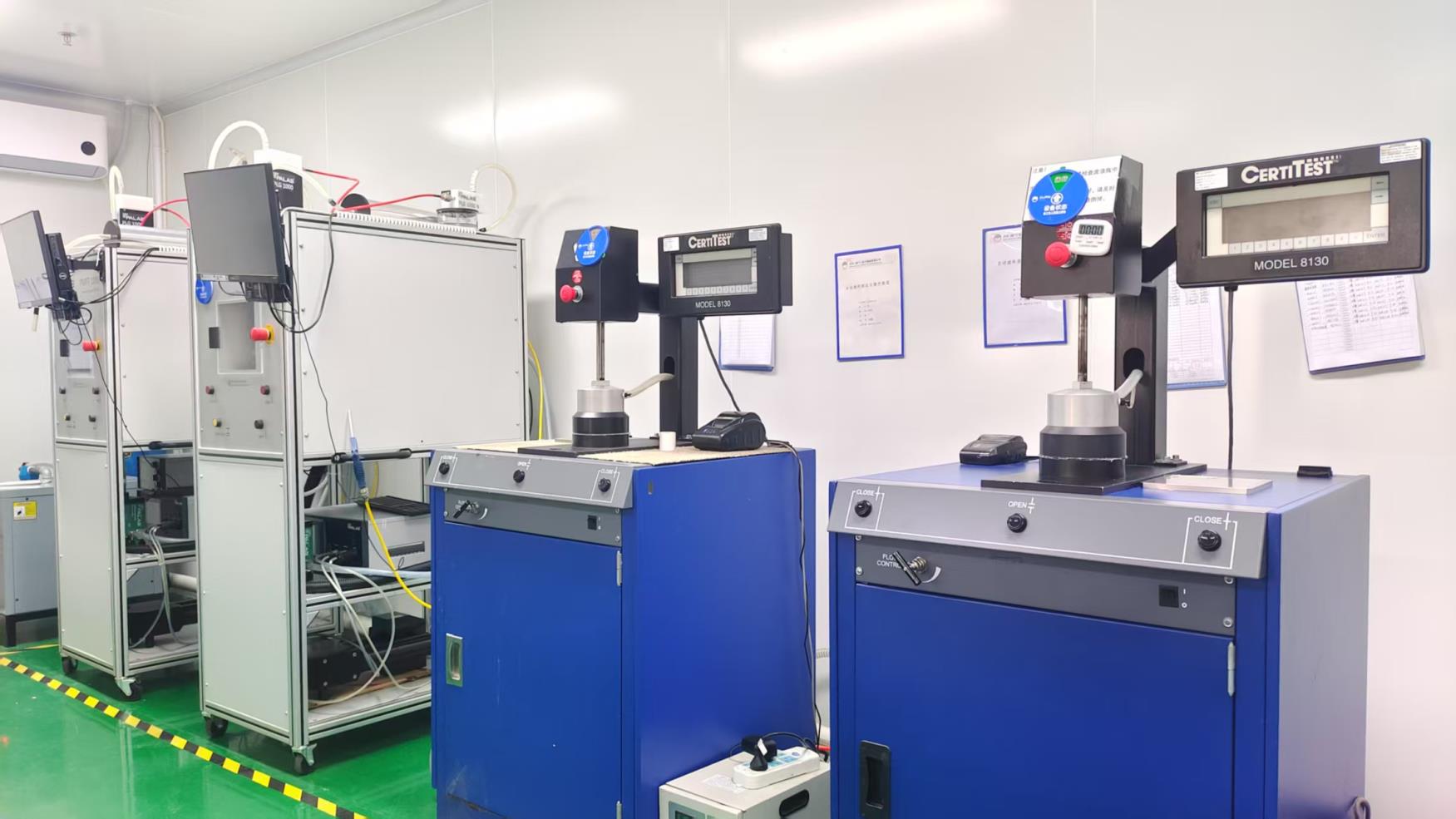
Our competitive advantage lies in our 6,000 square meter clean workshop and our adherence to international quality benchmarks. We have successfully passed factory audits for ISO13485 and hold CE certifications, ensuring that every ECG recorder or patient monitor meets the highest safety and performance standards for worldwide export.