Alhilal Healthcare


Global Commercial & Industrial Status of Disposable Needle Tips
In modern clinical environments, disposable needle tips represent the bedrock of sterile fluid delivery, vaccination, blood collection, and micro-injection treatments. The global demand for high-precision disposable needle tips is experiencing unprecedented growth, driven by a global focus on mitigating healthcare-associated infections (HAIs), expanding immunization protocols, and the rapid advancement of clinical dermatology and localized aesthetics.
Industrial applications have also diversified. Beyond conventional human medicine, precision needle tips are extensively integrated into veterinary fields, high-accuracy laboratory microfluidics, and specialized aerospace sealant and adhesive dispensing processes. As global medical regulatory frameworks tighten, raw materials must satisfy biocompatibility requirements under ISO 10993. Leading global enterprises are moving away from regional distribution lines to direct procurement partnerships with integrated manufacturers who can secure supply chain volume without compromising structural micro-tolerances.
Key Sourcing Insight for Procurement Officers
Global procurement teams prioritize three major elements when sourcing disposable needle tips: cannula sharpness consistency (minimizing tissue trauma), structural hub integrity (preventing needle detachment under high injection pressures), and absolute sterility guarantees. Partnering with ISO 13485-certified Chinese factories offers a strategic solution to achieve these goals at a scalable cost.
China's Manufacturing Efficiency & Supply Chain Advantage
China has solidified its position as the premier global hub for medical consumables and needle manufacturing. The concentration of upstream chemical providers (medical-grade polypropylene for hubs) and downstream metallurgical mills (high-grade 304 and 316L stainless steel cannula tubing) gives Chinese factories an unmatched structural advantage. This integrated ecosystem dramatically lowers logistics costs and speeds up design-to-production cycles for customized needle gauges and needle configurations.
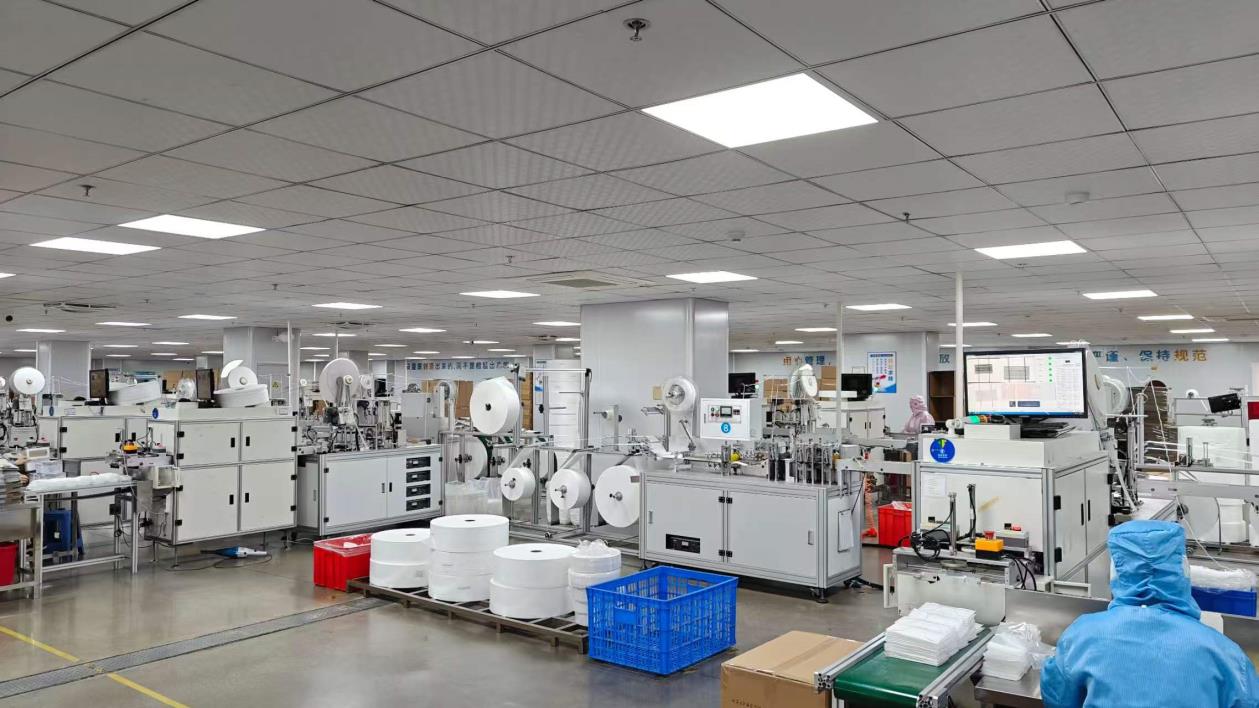
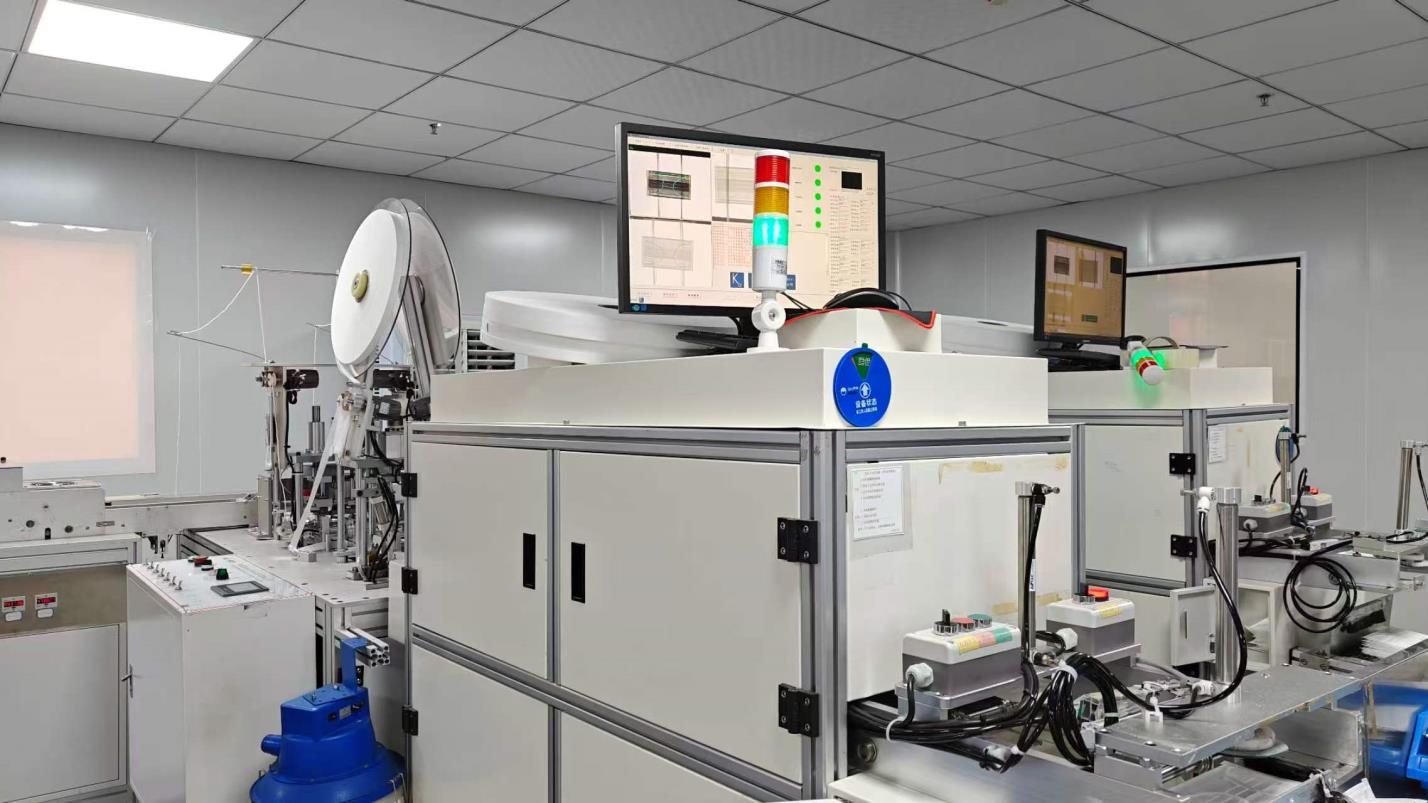
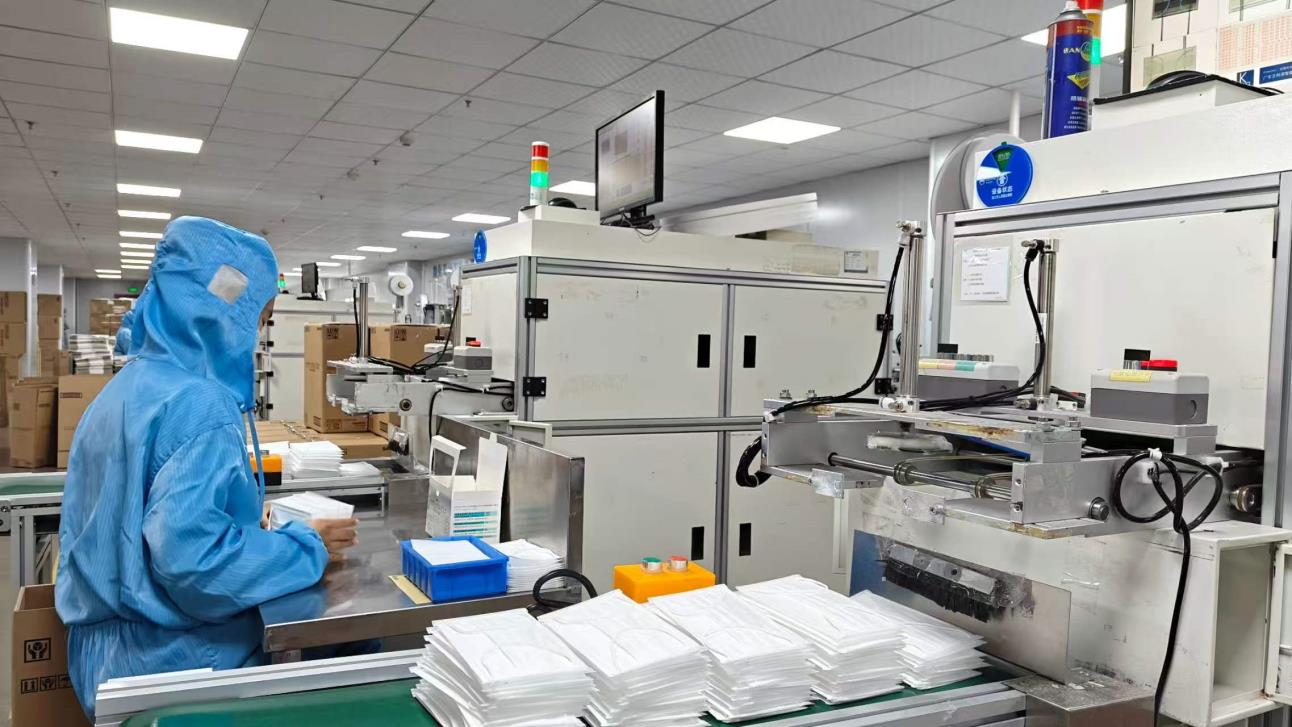
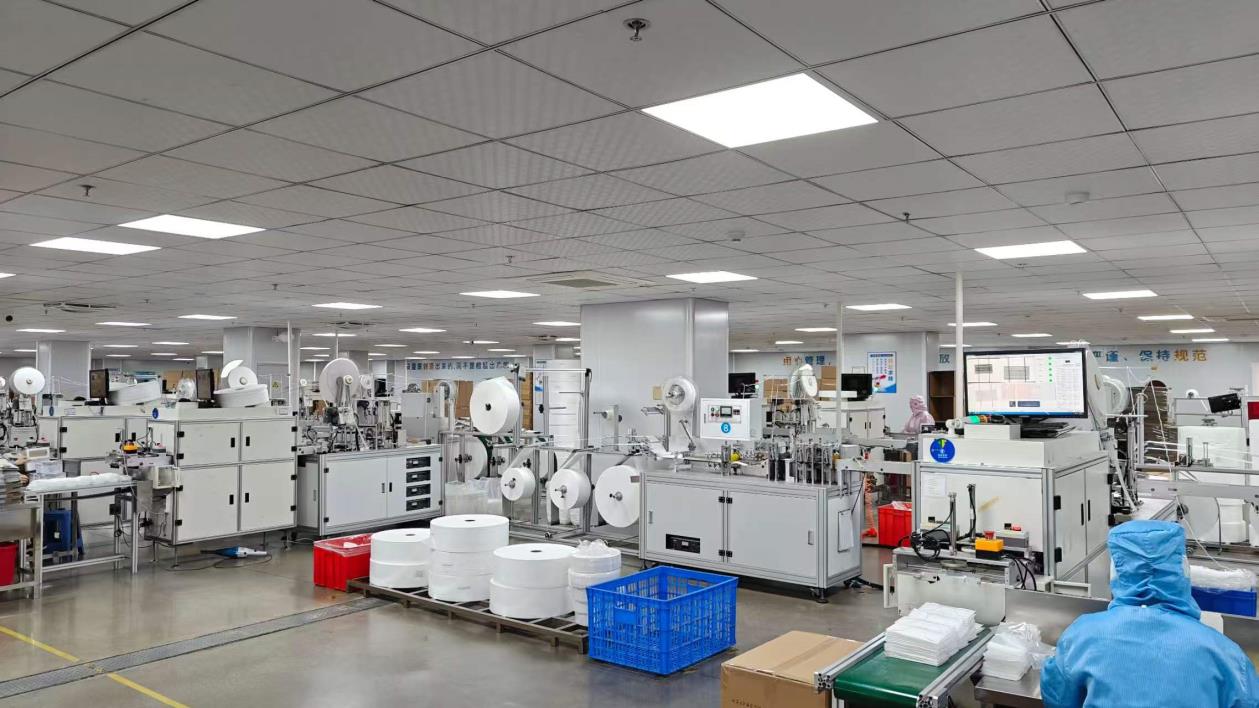
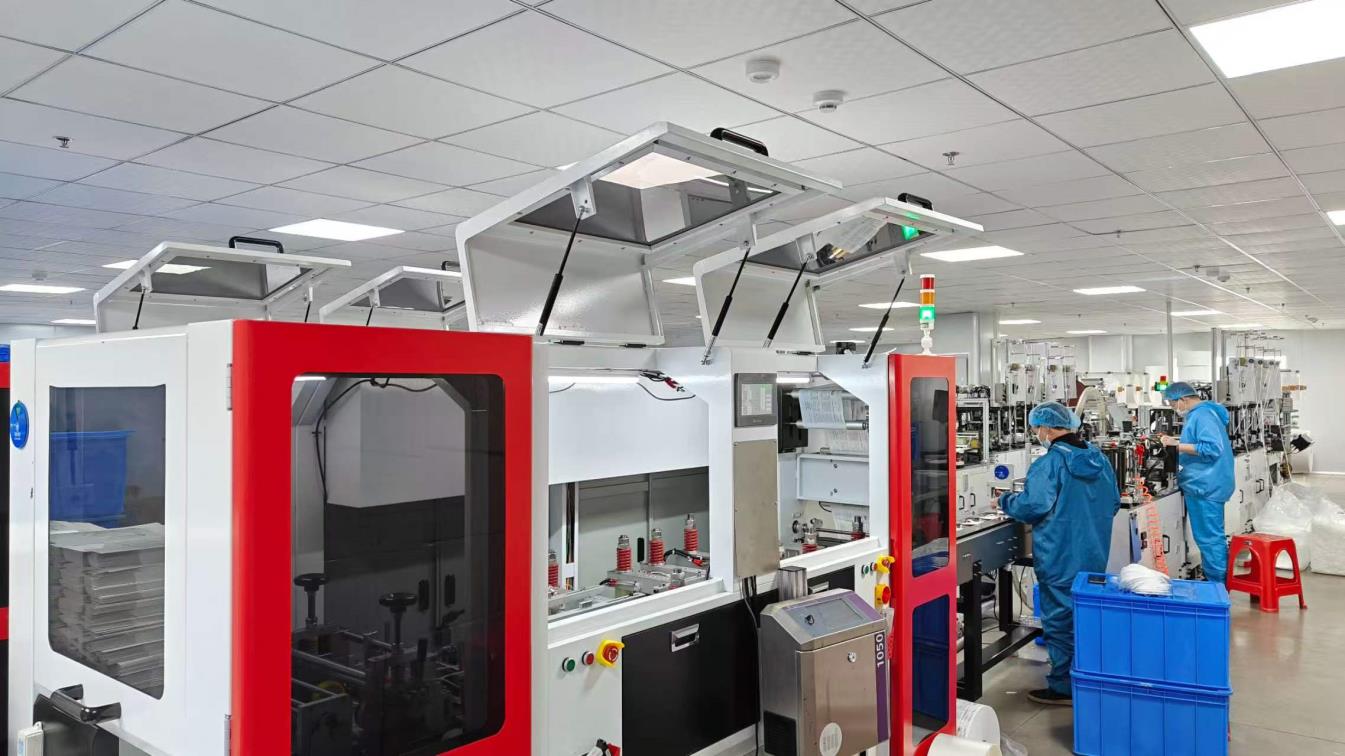
Moreover, top-tier Chinese manufacturers have moved past reliance on manual labor, implementing automated assembly lines featuring integrated visual defect inspection systems. These automated cells monitor injection molding, cannula assembly, structural epoxy bonding, siliconization, and final packing under strict environmental parameters. This level of automation keeps output defect rates to virtually zero, ensuring compliance with both European CE requirements and US FDA standards.