Alhilal Healthcare Alhilal Healthcare

What Safe Materials Are Used for Disposable Medical Supplies?

Time:2026-04-13 Author:Ethan
0%

In the healthcare sector, the safety of materials used for disposable medical supplies is a critical concern. Medical professionals need to know "what materials are safe for disposable medical supplies." This knowledge is crucial for protecting patients and healthcare workers alike.

Common materials used include plastics, paper, and non-wovens. Each option has specific benefits and drawbacks. For instance, certain plastics are durable but may pose environmental concerns. Biodegradable options exist, yet they might not be as robust.

The challenge lies in balancing safety and environmental impact. Not all materials are created equal. Understanding these differences helps in making informed choices. Continuous research is essential to improve these supplies. Medical professionals often face dilemmas about what materials to use. Thus, awareness and education in this field are vital for everyone involved.
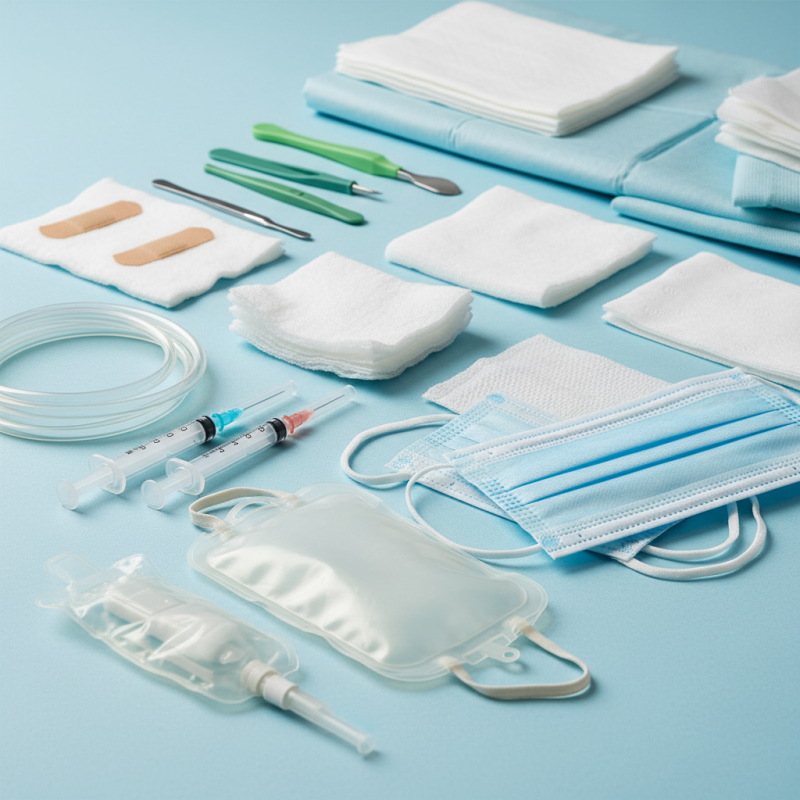
What Safe Materials Are Used for Disposable Medical Supplies?

Types of Safe Materials for Disposable Medical Supplies

Disposable medical supplies are essential in healthcare settings. Ensuring their safety is paramount. Various materials are utilized for these supplies, each selected for specific purposes. Common materials include polyethylene, polypropylene, and polyurethane, all known for their biocompatibility and safety.

Polyethylene is widely used due to its chemical resistance and flexibility. According to a report by Grand View Research, the global disposable medical supplies market was valued at approximately $180 billion in 2022.

Polypropylene offers excellent barrier protection while being lightweight. This material is often found in surgical masks and sterile containers. However, while these materials are generally safe, concerns about their environmental impact remain.

Polyurethane provides high durability and is commonly used in wound dressings. It allows for moisture permeability while maintaining a sterile environment. Studies indicate that over 35% of the healthcare waste is made up of disposable medical supplies. This triggers a need for continuous improvement in material safety and sustainability. The challenge lies in balancing safety for patients and the planet.

Biocompatible Polymers and Their Applications in Medical Devices

Biocompatible polymers play a crucial role in the realm of disposable medical supplies. These materials are designed to interact safely with human tissues. They are often chosen for their non-toxic and non-irritating properties. For instance, poly(lactic-co-glycolic acid) (PLGA) is a widely used biocompatible polymer. According to the Journal of Biomedical Materials Research, PLGA has a degradation rate that allows for controlled drug release. This characteristic makes it invaluable in various applications, including drug delivery systems and tissue scaffolding.

One area of focus is the use of these polymers in surgical sutures and wound dressings. Studies have shown that using biocompatible materials minimizes the risk of infection. A report from the National Institutes of Health indicates that wound healing can be significantly improved with the right polymers. However, the challenge remains in balancing material performance with biodegradability. Research often highlights that while biocompatibility is essential, mechanical properties must also not be compromised.

Despite advancements, there's a need for ongoing examination of these materials. Not all biocompatible polymers are equally effective. Some may degrade too quickly or not quickly enough, leading to complications. The FDA continues to evaluate these materials, emphasizing the need for stringent testing and validation. As the demand for safe and effective medical supplies grows, continuous innovation remains a priority in the industry.

Natural Materials Used in Disposable Medical Supplies

Natural materials are increasingly employed in the production of disposable medical supplies. These materials offer an eco-friendly alternative to traditional synthetic options. For example, biopolymers made from natural sources such as cornstarch or seaweed are being explored. A study by a leading environmental agency indicated that biopolymers can reduce waste by up to 40%.

In addition, natural latex is commonly used for gloves and other protective gear. It is biodegradable, making it a favorable choice in a world focused on sustainability. However, there are challenges. Natural latex can cause allergic reactions in some individuals. It’s crucial for manufacturers to conduct thorough testing to ensure safety. Innovations in processing techniques can address these concerns, enhancing the usability of natural materials.

Paper-based products are also gaining traction in the medical industry. They are often used in surgical drapes and gowns. Research suggests that using sustainably sourced paper can significantly lower the carbon footprint of disposable supplies. Yet, the durability and waterproofing of paper compared to plastic remains a valid concern. Ongoing developments are needed to enhance the reliability of paper-based alternatives, ensuring they meet medical standards.

Regulatory Standards for Safe Medical Supply Materials

When considering disposable medical supplies, safety is paramount. Regulatory standards exist to ensure the materials used do not pose risks to patients and healthcare providers. Organizations such as the FDA and ISO provide guidelines for what is considered safe in medical environments. These standards focus on biocompatibility, ensuring materials do not cause adverse reactions when in contact with human tissue.

Commonly used materials include polyethylene, polypropylene, and certain grades of latex. These substances are chosen for their durability, resistance to contamination, and effectiveness in medical applications. However, not all manufacturers comply with regulations. Some may cut corners, potentially using lower-quality materials that could compromise safety. Overlooking this compliance can lead to serious health risks.

Regular auditing and certification provide a layer of trust. Yet, the medical community must remain vigilant. Manufacturers should be encouraged to prioritize quality and transparency. Patients and providers should always ask about the safety certifications of any disposable medical supply. Even small lapses in regulation adherence can have significant consequences. A careful approach is essential to ensure that all disposable medical supplies are indeed safe for use.

What Safe Materials Are Used for Disposable Medical Supplies? - Regulatory Standards for Safe Medical Supply Materials

Material Type Common Uses Safety Regulatory Standards Biocompatibility
Polypropylene (PP) Surgical drapes, sterile containers ISO 10993, FDA Standards Non-toxic and non-irritating
Polyvinyl Chloride (PVC) IV bags, tubing FDA 21 CFR 177.1980 Generally considered safe
Medical Grade Silicone Catheters, valves ISO 10993, USP Class VI Highly biocompatible
Polyethylene (PE) Protective covers, bags FDA 21 CFR 177.1520 Non-irritating
Nitrile Examination gloves ASTM D6319 Safe for skin contact

Environmental Impact of Disposable Medical Supply Materials

Disposable medical supplies have an undeniable impact on the environment. Many of these items are made from plastic and other synthetic materials. After use, they often end up in landfills, contributing to waste. Decomposing plastics can take hundreds of years. This raises questions about sustainability in the healthcare industry.


Efforts are ongoing to find safer materials for these products. Biodegradable options are being developed, but they come with their own challenges. For instance, environmentally friendly materials may not always meet strict health standards. The balance between safety for patients and minimizing environmental damage is delicate. Recycling efforts can also be inconsistent in medical settings.


Some have begun exploring plant-based plastics. These materials can reduce reliance on petroleum-based options. However, their effectiveness must still be tested in clinical use. Hospitals and clinics face pressure to reduce waste but must prioritize patient care. This contradiction highlights the need for ongoing dialogue and innovation in this field. Finding solutions requires collaboration across sectors to address environmental concerns without compromising health.

FAQS

: What materials are commonly used for disposable medical supplies?

: Common materials include polyethylene, polypropylene, and polyurethane. They are known for safety and biocompatibility.

Why is polyethylene widely used in medical supplies?

Polyethylene offers chemical resistance and flexibility. It is suitable for various medical applications.

What are the environmental concerns with disposable medical supplies?

Over 35% of healthcare waste comes from these supplies. There are ongoing challenges regarding their environmental impact.

How do natural materials improve disposable medical supplies?

Natural materials like biopolymers reduce waste and offer eco-friendly options compared to traditional synthetic materials.

What safety measures are necessary for using natural latex in medical supplies?

Natural latex is biodegradable, but it can cause allergies. Thorough testing is needed for safety assurance.

How do regulatory standards ensure the safety of medical supplies?

Regulations from organizations ensure materials do not harm patients. Compliance is crucial for safety in healthcare settings.

What are the advantages of using paper-based products in medical supplies?

Paper-based products can lower carbon footprints. They are moving towards sustainability in medical contexts.

What are the challenges with paper-based medical supplies?

Paper products may lack durability and waterproofing compared to plastics. Reliability must meet medical standards.

How can manufacturers promote safety in disposable medical supplies?

Manufacturers should prioritize quality and transparency. Regular auditing helps ensure compliance with safety standards.

What actions can patients take to ensure the safety of medical supplies?

Patients should ask about safety certifications when using disposable medical supplies. Vigilance is essential for health.

Conclusion

The article titled "What Safe Materials Are Used for Disposable Medical Supplies?" explores various types of materials that are considered safe for disposable medical items. Key categories include biocompatible polymers, which play a significant role in medical devices due to their compatibility with human tissue and minimal adverse reactions. Additionally, the use of natural materials in disposable supplies highlights a growing trend towards sustainable practices in the medical field.

The article also addresses the regulatory standards that govern the safety of materials used in medical supplies, ensuring that they meet specific criteria for safety and efficacy. Furthermore, the environmental impact of these materials is discussed, emphasizing the importance of considering ecological sustainability alongside safety. In summary, understanding what materials are safe for disposable medical supplies is crucial for both healthcare providers and the environment, as it affects patient safety and overall public health.

Ethan

Ethan

Ethan is a seasoned marketing professional with a deep expertise in our company's innovative product line. With a passion for sharing knowledge and insights, he takes the lead in regularly updating our corporate blog, where he explores industry trends, product features, and effective marketing......