 Alhilal Healthcare
Alhilal Healthcare
Alhilal Healthcare
Wearable devices are changing healthcare from occasional observation to continuous, everyday monitoring. A sensor on the wrist can record heart rate, sleep patterns, activity, and blood oxygen levels. These small measurements may reveal important changes before symptoms become obvious. Still, data is not the same as diagnosis.
So, what is the role of wearable devices in healthcare? Their role is to support prevention, patient engagement, remote monitoring, and more informed clinical decisions. Deloitte’s 2024 Connected Consumer Survey reported that about four in ten U.S. consumers owned a smartwatch or fitness tracker. This shows growing public interest, but ownership alone does not guarantee better health outcomes. Devices must produce accurate data, protect privacy, and connect effectively with clinical workflows.
Eric Topol, a cardiologist and digital medicine expert, wrote, “The smartphone is the most important medical device ever invented.” His observation highlights a central shift: health information is moving closer to patients. The World Health Organization’s Global Strategy on Digital Health 2020–2025 also emphasizes digital tools that strengthen accessible, person-centred care. Meanwhile, the U.S. Food and Drug Administration continues developing guidance for software and wearable technologies used in medical contexts.
The promise is substantial. Yet uncertainty remains. Consumer devices can misread signals, encourage anxiety, or create unnecessary alerts. A flashing heart-rate notification at midnight feels urgent, even when it is harmless. Therefore, healthcare professionals must interpret wearable data carefully, alongside symptoms, medical history, and validated tests. This article examines why wearable devices matter, where they provide genuine value, and where their limitations still deserve serious attention.
Why Are Wearable Devices Important in Healthcare?
What Are Wearable Devices in Healthcare?
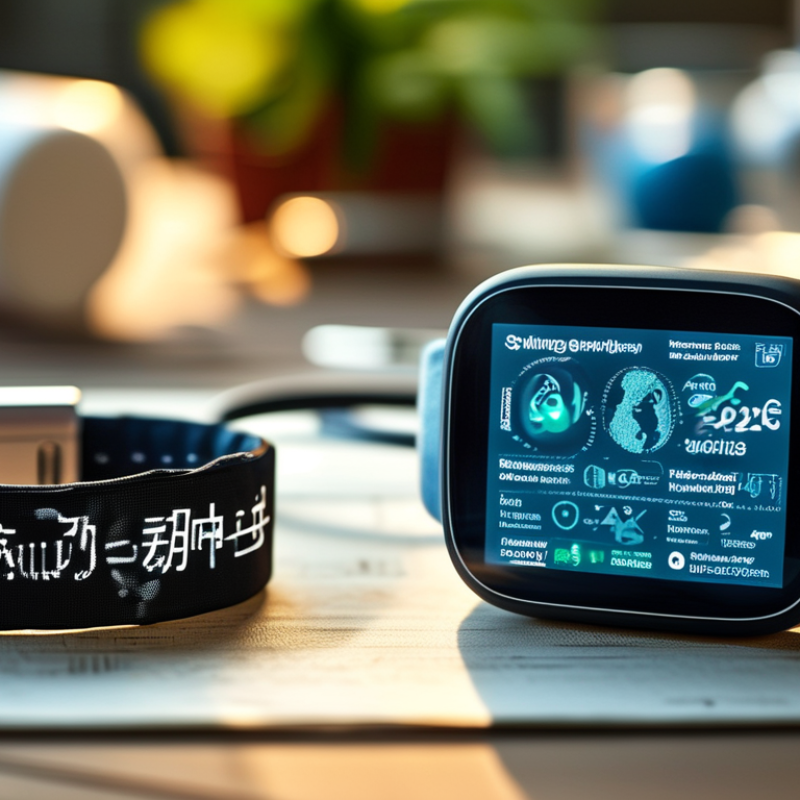
Wearable devices in healthcare are small electronic tools worn on the body. They include smartwatches, fitness bands, patches, rings, and sensor-based clothing. These devices collect information such as heart rate, movement, sleep patterns, temperature, and blood oxygen levels. Some tools send readings to healthcare professionals through secure systems. Others help patients monitor changes at home.
In clinical care, wearable data can support earlier attention to unusual symptoms. For example, repeated changes in pulse may encourage a patient to contact a clinician. Movement sensors can also help track rehabilitation after an injury. However, these devices do not replace medical examinations. Readings may become inaccurate when a strap is loose, skin is wet, or movement is intense. They are useful, but imperfect. Clinical decisions should consider symptoms, medical history, and verified testing.
Tips: Choose a device designed for healthcare use. Check how it stores and shares personal data. Wear it consistently, but inspect the fit each day. Record unusual readings with the time and activity involved. Do not panic over one unexpected result. Instead, repeat the measurement and seek professional advice when changes persist. Healthcare teams should explain the device’s limits clearly, because more data does not always mean better care. Patient consent and understandable instructions remain essential.
: They are small electronic tools worn on the body. Examples include watches, bands, patches, rings, and sensor clothing. They can record pulse, movement, sleep, temperature, and blood oxygen. Useful, but imperfect.
They show health changes between medical appointments. A rising pulse may encourage earlier contact with a healthcare professional. Movement sensors can track walking after surgery or injury. Small details matter.
Hospitals may monitor pulse, oxygen levels, temperature, and movement. At home, people may track activity, glucose changes, or heart rhythm patterns. Rehabilitation teams can review walking and balance records during consultations.
No. Wearables support medical judgment. They cannot replace symptoms, medical history, physical examinations, or verified tests. One surprising reading should not decide treatment. That would be risky.
A loose strap can weaken the measurement. Sweat, wet skin, intense movement, and poor contact may also cause errors. A dead battery can leave missing information. The number may look precise, but still be wrong.
Note the time, activity, and symptoms. Repeat the measurement with a proper fit. Compare it with trusted medical equipment when possible. Contact a qualified healthcare professional if the change continues. Do not panic over one alert.
Continuous data may reveal routines, locations, sleep patterns, and sensitive symptoms. Users should check how information is stored and shared. Clear consent matters. Security details can be confusing, and that deserves more attention.
Access may be limited by cost, internet availability, or difficult designs. Some users may also feel anxious about constant alerts. A simple screen can build confidence during recovery. Too much monitoring can add stress. More data is not always better care.
Wearable devices in healthcare are electronic tools worn on the body that collect health information through sensors, such as heart rate, movement, sleep patterns, temperature, and blood oxygen levels. This article explains what is the role of wearable devices in healthcare and how they support continuous health monitoring, early risk detection, and clinical decision-making. By providing regular data, these devices can help healthcare professionals identify changes that may require further examination and support patients in understanding their own health.
Wearable technology is used in fitness tracking, chronic disease management, rehabilitation, remote care, and post-treatment follow-up. It can encourage prevention by promoting healthier habits and help make treatment more personalized according to an individual’s changing condition. However, limitations remain, including data accuracy, battery life, privacy concerns, security risks, user compliance, and the need for professional interpretation. Therefore, wearable devices are valuable support tools, but they should complement rather than replace medical advice and proper clinical evaluation.
