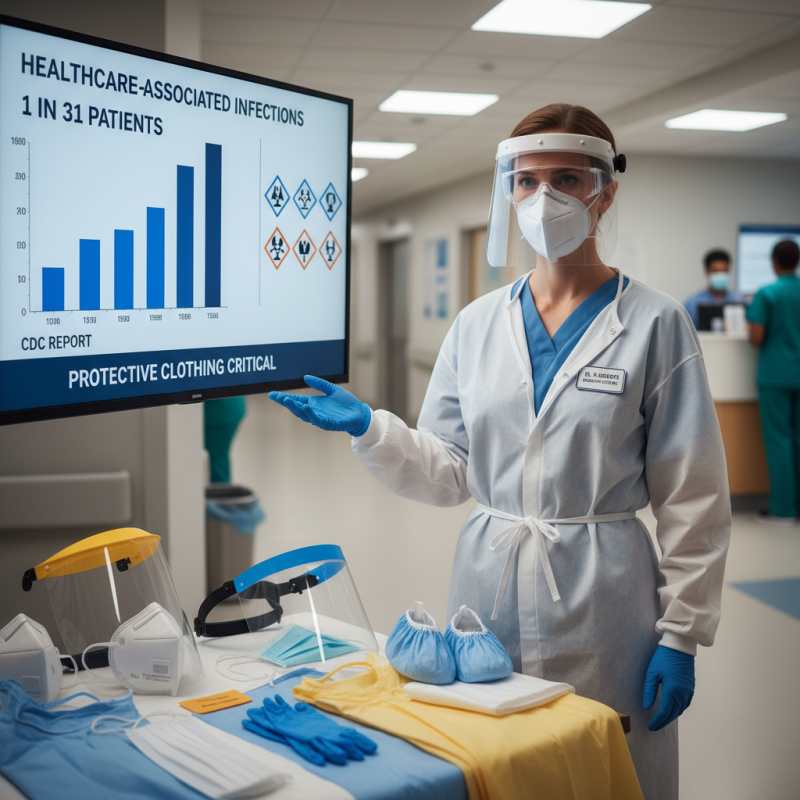
In the medical field, choosing proper protective clothing is critical for safety and effectiveness. The rise in healthcare-associated infections has highlighted this need. According to a recent report by the Centers for Disease Control and Prevention, nearly 1 in 31 hospital patients has at least one healthcare-associated infection. This statistic underscores the importance of adequate protective gear.
Dr. Emily Roberts, a leading expert in infection control, states, “Proper protective clothing can significantly reduce the risk of transmission in medical environments.” This statement emphasizes the urgent need for healthcare professionals to understand how to choose proper protective clothing for medical environments. The selection process involves understanding the types of hazards present, such as biological or chemical exposure.
However, selecting the right protective clothing is often challenging. Many practitioners may overlook the importance of fit, material, and barrier properties. These factors can greatly influence both protection levels and comfort. As we delve into this topic, it’s essential to reflect on the common pitfalls and insufficient practices in the industry. With the right knowledge and awareness, healthcare providers can enhance safety for both themselves and their patients.
Understanding the Importance of Protective Clothing in Medical Settings
Protective clothing plays a crucial role in medical settings. It helps shield healthcare professionals from exposure to infectious agents and hazardous materials. A report from the Centers for Disease Control and Prevention (CDC) reveals that proper protective equipment (PPE) can reduce infection rates by up to 75%. This data highlights the necessity of choosing the right gear for various medical environments.
Understanding the specific risks associated with different medical tasks is essential. For example, surgical settings require high-level protection, while routine examinations might need basic gear. However, 40% of healthcare workers report receiving insufficient training on PPE selection. Without adequate knowledge, professionals may underestimate their exposure. This gap is concerning, as wrong choices can compromise safety.
It's also vital to consider comfort and fit in protective clothing. A recent study shows that 60% of healthcare workers feel uncomfortable in their PPE, impacting their performance and focus. This discomfort may lead to mistakes. It's a reminder that protective clothing should not only be effective but should also support the user in their critical roles. Balancing protection with usability is a challenge worth addressing in medical settings.
Protection Levels of Medical Clothing
Key Types of Protective Clothing Used in Healthcare Environments
Protective clothing is vital in healthcare settings. The right gear helps prevent infections and exposure to hazardous materials. Key types include gowns, masks, gloves, and face shields. According to the CDC, proper use of these items can significantly reduce the risk of occupational exposure.
Isolation gowns are crucial for patient protection. They come in various materials and levels of fluid resistance. A report from the WHO states that healthcare-associated infections occur in 7-10% of hospitalized patients. This highlights the importance of effective protective clothing. Disposable gowns are often preferred due to their convenience and lower risk of contamination.
Masks and respirators are essential in controlling airborne diseases. A study from the NIOSH indicates that N95 respirators filter at least 95% of airborne particles. However, not all masks provide the same level of protection. Fit testing and proper usage are necessary to ensure effectiveness. Face shields can offer additional protection, especially during aerosol-generating procedures, but they should not replace masks. Each type of protective clothing serves a unique purpose, and their effectiveness depends on proper selection and usage.
Factors to Consider When Selecting Medical Protective Gear
When selecting medical protective gear, various factors are critical to ensure safety and efficacy. Material composition is paramount. According to a study by the National Institute for Occupational Safety and Health, different fabrics provide distinct levels of barrier protection. Surgical gowns, for instance, must effectively repel fluids while allowing breathability.
Fit and comfort are also essential. An ill-fitting gown can lead to gaps, potentially exposing healthcare workers to hazards. Research indicates that up to 30% of healthcare professionals have reported discomfort in standard protective wear. This discomfort often leads to a reduced likelihood of consistent use, compromising safety.
It’s vital to consider the specific risks associated with the medical environment. For example, during infectious outbreaks, single-use gear has shown to reduce transmission rates significantly. The World Health Organization highlights that proper gear can cut infection risks by over 70% when correctly utilized. Nonetheless, there remains a challenge in ensuring compliance among staff, reflecting a need for educational initiatives in healthcare settings.
Assessing the Appropriate Level of Protection Required
When assessing the appropriate level of protection required for medical use, a thorough understanding of potential hazards is crucial. According to the World Health Organization (WHO), exposure to blood and other potentially infectious materials poses a significant risk to healthcare workers. Personal protective equipment (PPE) must be chosen based on the specific risks in the environment. For instance, while surgical masks may suffice for routine examination, they may not provide adequate protection during aerosol-generating procedures.
The CDC recommends a risk assessment approach to determine necessary PPE. High-risk environments require higher-level protection. A study published in the Journal of Occupational Medicine found that 30% of healthcare workers reported experiencing at least one exposure incident due to inadequate PPE. It is essential to consider the level of exposure, the type of procedure, and the setting in which care is delivered. Not all protective clothing is equal; the effectiveness of gowns and gloves varies significantly based on material and design.
Training is also a critical factor in maintaining safety. The effectiveness of PPE relies heavily on proper usage and disposal procedures. Supervision and education can significantly reduce the chance of breaches. Despite having appropriate gear, many healthcare professionals often overlook the importance of donning and doffing techniques. Continuous re-evaluation of protocols and practices is necessary to ensure the highest level of safety in medical settings.
How to Choose the Right Protective Clothing for Medical Use? - Assessing the Appropriate Level of Protection Required
| Type of Protective Clothing |
Level of Protection |
Common Uses |
Material |
Considerations |
| Surgical Gowns |
Moderate to High |
Surgical procedures |
Non-woven fabric |
Fluid resistance, breathability |
| Isolation Gowns |
Low to Moderate |
General patient care |
Polyethylene or composite |
Cost-effectiveness, single-use |
| Face Shields |
Low |
General protection against splashes |
Clear plastic |
Comfort, visibility |
| N95 Respirators |
High |
Respiratory protection in airborne situations |
Synthetic fibers |
Fit testing, comfort |
| Sterile Gloves |
High |
Surgeries and sterile procedures |
Latex, nitrile, vinyl |
Allergies, grip |
Maintaining and Caring for Medical Protective Clothing
Medical protective clothing plays a vital role in safeguarding healthcare workers. However, proper maintenance and care for these garments are often overlooked. Regular cleaning is essential, as contaminants can linger on clothing, posing health risks. It's important to follow specific guidelines for washing. Using the right detergents and maintaining appropriate temperatures can enhance durability.
Storage is another critical factor. Protective clothing should be kept in a clean, dry space. Humidity and exposure to sunlight can degrade materials. It's advisable to inspect garments regularly for signs of wear or damage. Any clothing showing significant wear should be replaced promptly to ensure safety.
Education on proper handling is necessary. Workers need to understand how to wear and take off protective gear efficiently. This minimizes the risk of contamination during the process. Reflecting on these practices can help improve safety measures in healthcare settings. Implementing a routine for maintenance not only extends the life of protective clothing but also reinforces a culture of safety among staff.
FAQS
: It shields healthcare professionals from infectious agents and hazardous materials, reducing infection rates significantly.
Common types include gowns, masks, gloves, and face shields, each serving unique protective purposes.
Discomfort in PPE can lead to mistakes. Healthcare workers report that it impacts their focus and performance.
Consider the specific medical task, comfort, and proper fit to ensure safety and usability for healthcare workers.
Proper fit testing and usage are crucial for masks to filter airborne particles effectively, especially for N95 respirators.
Regular cleaning and proper storage prevent contamination and extend the garment's life, ensuring ongoing safety.
Follow specific washing guidelines, use appropriate detergents, and maintain the right temperatures for durability.
Understanding how to wear and remove protective gear reduces contamination risks during use.
Any clothing that appears worn should be replaced immediately to maintain safety in healthcare environments.
Many report insufficient training on PPE selection, which may put their safety at risk.
Conclusion
In the healthcare sector, choosing the right protective clothing is crucial to ensuring the safety of both medical professionals and patients. Understanding the importance of protective clothing in medical settings is the first step, as it plays a vital role in minimizing exposure to infections and hazardous materials. Key types of protective wear include gowns, gloves, masks, and face shields, each serving specific functions in various healthcare environments.
When addressing how to choose proper protective clothing for medical environments, it is essential to consider several factors, such as the level of protection required based on the tasks being performed, the type of exposure risks present, and comfort for long wear. Assessing the appropriate level of protection and ensuring proper maintenance and care of the clothing are crucial to maximizing its effectiveness. By following these guidelines, healthcare providers can significantly enhance their safety and efficacy in patient care.
 Alhilal Healthcare
